
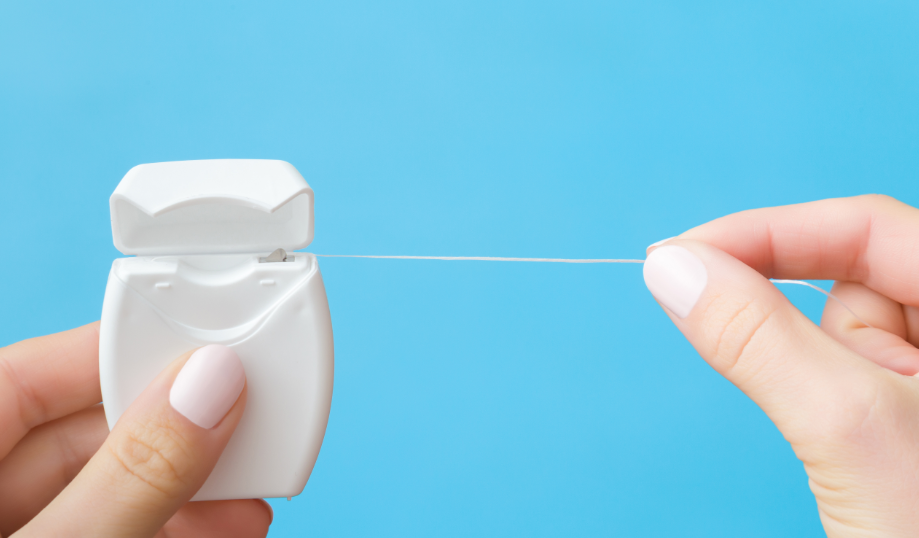
Dental implants are designed to be a long-lasting solution for missing teeth, and with proper care, they can potentially serve you for decades. But while an implant itself cannot develop a cavity, the tissues surrounding it still need plenty of attention. Daily flossing is an important part of keeping your gums healthy and reducing the buildup of plaque and bacteria around your implant.
The good news? Flossing with dental implants doesn’t have to be complicated. With the right technique and tools, you can keep your smile clean and your implants in great shape.
Why Is Flossing Important for Dental Implants?
Even though dental implants are not natural teeth, they still have surrounding gum tissue that can become irritated or infected when plaque accumulates. Poor oral hygiene around an implant can contribute to inflammation and increase the risk of a condition called peri-implantitis.
Peri-implantitis affects the tissues around a dental implant and can eventually lead to bone loss and implant problems if it is not addressed. Regular brushing and flossing can help remove plaque from areas that your toothbrush cannot reach.
Daily cleaning is particularly important around the gumline and between an implant and its neighboring teeth.
How Should You Floss Around an Implant?
Your dentist may recommend a particular flossing technique depending on the type and position of your implant. In general, you want to gently clean around the entire implant without aggressively snapping or forcing the floss into your gums.
Traditional dental floss may work well for some patients. You can carefully guide the floss between the implant and adjacent tooth, then gently move it along the sides of the implant and beneath the gumline where appropriate.
For implants supporting bridges or dentures, cleaning can be a little different. Specialized implant floss, floss threaders, interdental brushes, or water flossers may make it easier to clean underneath and around the restoration.
If you are unsure which method is right for your implant, ask your dental provider to demonstrate the technique during an appointment.
Choose the Right Tools
There isn’t necessarily one flossing product that works for every implant patient. The best option depends on the type of restoration you have and how much space exists around it.
Some people benefit from thicker implant-specific floss, while others may find a water flosser or small interdental brush easier to use. The important thing is finding a method that allows you to consistently remove plaque without irritating your gums.
Avoid being overly aggressive. More pressure does not necessarily mean cleaner teeth, and rough flossing can irritate delicate gum tissue.
Don’t Forget Your Regular Dental Visits
At-home care is only part of maintaining dental implants. Regular dental appointments allow your dental team to examine your gums, check the stability of your implant, and professionally remove plaque and tartar that may be difficult to eliminate at home.
If you notice redness, swelling, bleeding, tenderness, bad breath, or changes around your implant, let your dentist know. These symptoms can sometimes indicate inflammation or infection and should not be ignored.
With consistent home care and professional maintenance, you can give your dental implants the best possible chance of staying healthy for years to come.
A few minutes of careful cleaning each day can go a long way toward protecting your investment in your smile.
About the Practice
United Dental Centers of Whiting provides comprehensive dental care, including dental implant treatment for patients who need to replace missing teeth. The practice focuses on individualized care and helping patients understand how to maintain their oral health before, during, and after treatment. Patients with dental implants can receive guidance on appropriate home-care techniques and ongoing professional maintenance.
Call us at (219) 659-4900 or schedule your appointment online.