
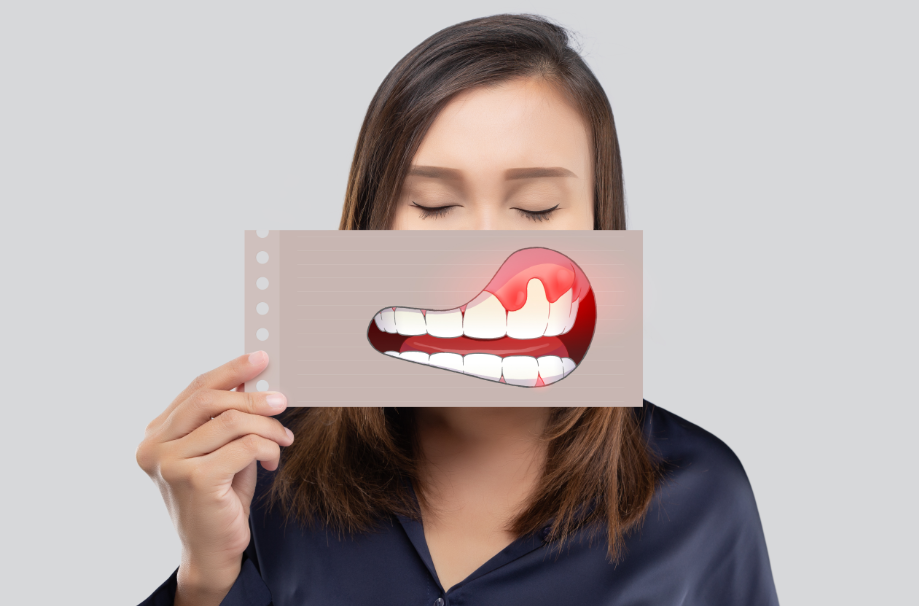
Gum disease is one of those dental problems that can be easy to overlook at first. Maybe your gums bleed occasionally when you brush, or they look a little red or swollen. These symptoms may not seem urgent, but they can be early signs of a condition that becomes more difficult to treat as it progresses.
The good news is that gum disease can often be managed successfully, especially when it is caught early. Depending on its stage, your dentist may even be able to reverse the condition and help restore your gums to good health.
Can Gum Disease Be Cured?
Whether gum disease can be completely reversed depends largely on how advanced it has become. The earliest stage, gingivitis, occurs when plaque and bacteria cause inflammation in the gums. With professional dental care and improved brushing and flossing habits at home, gingivitis can often be reversed before it causes lasting damage.
Periodontitis is a more advanced form of gum disease. At this stage, the infection can damage the tissues supporting your teeth and cause the gums to pull away from the teeth. Treatment can control the infection and help protect your remaining gum and bone tissue, but damage that has already occurred may not be completely reversible.
That makes early treatment especially important.
What Can Your Dentist Do?
Your dentist can evaluate your gums and determine how far gum disease has progressed. Depending on your needs, treatment may include a professional dental cleaning, more thorough cleaning below the gumline, or other periodontal treatments.
Your dentist may also recommend changes to your daily oral hygiene routine. Brushing twice a day, cleaning between your teeth, and keeping up with regular preventive visits can help control the bacteria responsible for gum disease.
For more advanced cases, your dentist may recommend additional periodontal care or refer you to a specialist.
What Happens If Gum Disease Goes Untreated?
Gum disease generally does not disappear on its own. Without treatment, inflammation and infection can continue to affect the tissues supporting your teeth. Advanced gum disease may eventually contribute to gum recession, tooth mobility, tooth loss, and permanent damage to the structures that support your smile.
Fortunately, recognizing the warning signs early gives you more opportunities to protect your oral health. Bleeding gums, persistent bad breath, red or swollen gums, tenderness, and changes in how your teeth fit together are all reasons to schedule a dental evaluation.
How Can You Prevent Gum Disease From Getting Worse?
Good oral hygiene at home is an important part of managing and preventing gum disease. Brush your teeth twice a day with fluoride toothpaste and clean between your teeth every day. Regular preventive visits allow your dental team to monitor your gums and address problems before they become more advanced.
If you already have signs of gum disease, don’t wait for them to become more noticeable. The sooner you seek treatment, the better your chances may be of preventing additional damage.
Healthy gums start with paying attention to the small warning signs.
About the Practice
University Dental Centers in Whiting provides comprehensive dental care with a focus on helping patients maintain healthy, comfortable smiles. The practice offers gum disease treatment and personalized care designed to address periodontal concerns at different stages, helping patients protect their oral health for years to come.
Call us at (219) 659-4900 or schedule your appointment online