
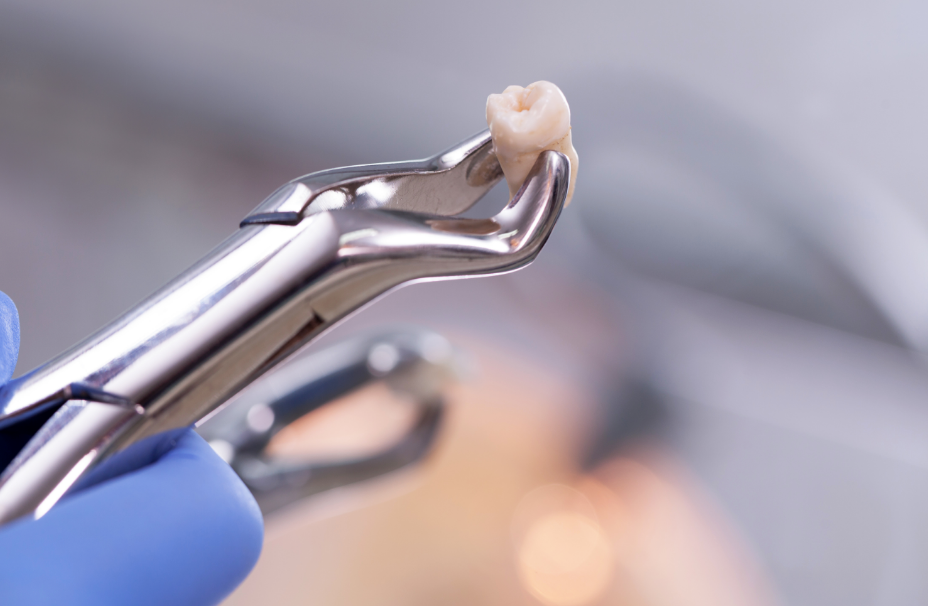
Hearing that you might need a tooth extracted can feel alarming, but there’s usually a good reason behind the recommendation. Dentists don’t suggest removing teeth without careful consideration. In many cases, extraction is the safest option to protect your overall oral health, prevent infection, and make room for proper alignment or future dental work.
Understanding the scenarios that commonly lead to tooth extraction can help ease anxiety and prepare you for what comes next.
Severe Tooth Decay or Infection
One of the most common reasons for tooth extraction is severe decay or infection. When cavities progress beyond repair with fillings or crowns, the tooth’s structure may be too compromised to restore. Similarly, if an infection reaches the pulp of the tooth and cannot be resolved with a root canal, extraction may be necessary to prevent the infection from spreading to surrounding teeth or the jawbone.
Prompt treatment in these cases helps protect your overall oral health and prevents more serious complications.
Crowding and Orthodontic Preparation
Sometimes teeth need to be extracted to make room for proper alignment. In cases of crowding, removing one or more teeth can create space for braces or other orthodontic treatments. Extraction in these situations is part of a larger plan to achieve a healthier, more functional smile.
Crowding-related extractions are often carefully coordinated with an orthodontist to ensure the final results are balanced and aesthetically pleasing.
Impacted or Problematic Wisdom Teeth
Wisdom teeth, or third molars, often cause problems if they don’t have enough room to emerge properly. Impacted wisdom teeth can lead to pain, swelling, infection, and even damage to nearby teeth. Extraction is commonly recommended to prevent these complications and maintain overall dental health.
Removing problematic wisdom teeth before they cause severe issues can save time, discomfort, and expense in the long run.
Trauma or Damage
Teeth that are severely broken, cracked, or injured in an accident may require extraction if restoration isn’t possible. Trauma can compromise the tooth structure or make it unsafe to remain in the mouth. In these cases, extraction helps prevent infection and allows for future restorative options, such as implants or bridges, to replace the damaged tooth.
Emergency Situations
Certain situations require urgent intervention, making emergency tooth extraction necessary. Sudden infections, severe pain, or trauma can necessitate prompt removal to protect your health. If you experience intense pain, swelling, or signs of infection, contacting your dentist immediately can prevent more serious complications and alleviate discomfort quickly.
Recovery and Aftercare
After a tooth extraction, following your dentist’s instructions is key for proper healing. This may include managing bleeding, avoiding certain foods, and keeping the area clean to reduce the risk of infection. Most patients heal within a few days to a couple of weeks, depending on the complexity of the extraction and the tooth involved.
Open communication with your dental team can help ensure a smooth recovery and a clear plan for any restorative work needed afterward.
Tooth extraction may sound intimidating, but it’s often the safest choice for long-term oral health and comfort.
About the Practice
United Dental Centers of Whiting provides comprehensive restorative dental care tailored to each patient’s needs. Our practice offers tooth extractions, emergency dental services, and a variety of restorative treatments designed to preserve oral health and function. The doctors and staff prioritize patient comfort and education, guiding individuals through every step of treatment with compassion and professionalism.
Call us at (219) 659-4900 or request an appointment online.